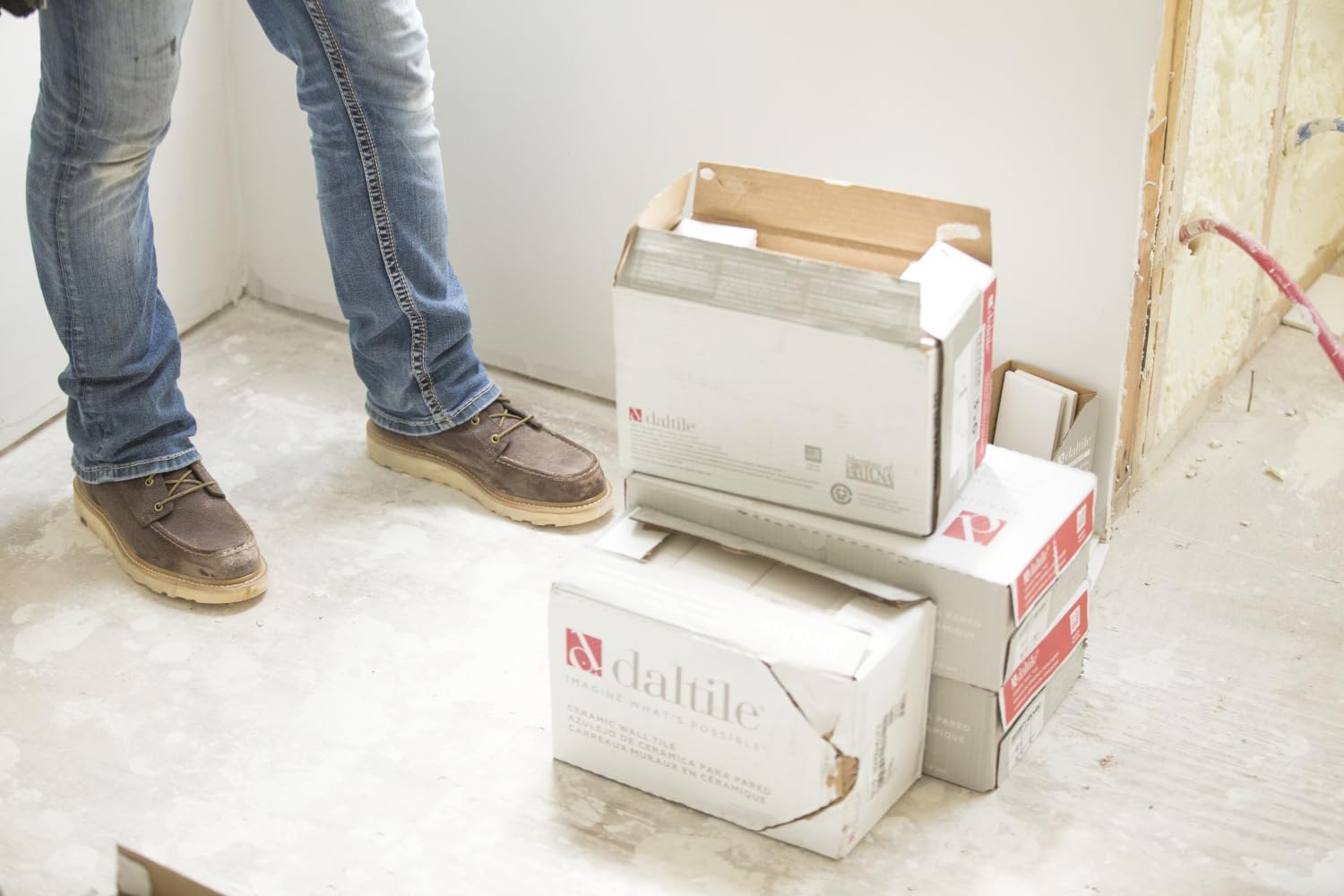
You just bought a work boot that costs real money, and now you’re second-guessing whether you needed the safety toe version. Or maybe you skipped it and your foreman is asking why you’re not in a rated boot. Either way, you’re in the right place.
A quick level-set: a soft toe boot has no reinforced cap at the front — it’s just leather and padding. An aluminum toe (sometimes called an alloy toe) adds a thin metal cap inside the toebox that is tested to withstand a set impact force — typically rated to ASTM F2413 standards, the American Society for Testing and Materials benchmark that most U.S. job sites require when they mandate “safety toe” footwear. Aluminum is lighter than the older steel-toe standard but still meets the same impact and compression requirements. The Irish Setter Ashby — a mid-priced, Goodyear-welted work boot from the Red Wing Shoe Company family of brands — comes in both configurations. This article breaks down exactly when the aluminum toe version earns its place, and when the soft toe is the smarter call.
| EDITOR'S PICKIrish Setter | Mid-tierIrish Setter | Budget pickIrish Setter | |
|---|---|---|---|
| Safety toe | Non-metallic | Soft toe | Soft toe |
| Waterproof | ✓ | — | — |
| Shaft height | 6" | — | — |
| Color | Amber | Brown | Brown |
| Size | 9.5 | 12 | 10.5 |
| Model | Wingshooter ST | Ashby | Ashby |
| Price | $175.96 | $135.96 | $135.96 |
| See on Amazon → | See on Amazon → | See on Amazon → |
What the Ashby Actually Is (and Why the Leather Keeps Surprising People)
Irish Setter sits in an interesting position. It’s part of the Red Wing Shoe Company family — heddels.com’s heritage brand index notes the Red Wing umbrella includes Irish Setter as a purpose-built field and work division — which means it inherits supply chain relationships and construction standards well above its price point. The Ashby is a Goodyear-welted boot, meaning the sole is stitched to a strip of leather (the welt) that wraps the perimeter of the boot, rather than being glued directly to the upper. That welt construction is what makes the boot resolable, which matters a lot when you’re doing cost-per-wear math on a boot you plan to own for a decade.
What stands out across aggregated owner reviews at workingpersonstore.com and similar platforms is how consistently buyers are caught off guard by the leather quality. Phrases like “surprisingly soft and pliable right out of the box” and “leather is very soft” appear unprompted, repeatedly. That’s not typical for a boot in this tier — full-grain leather (leather cut from the outermost hide layer, which is the densest and most durable) usually requires a meaningful break-in period. The fact that Ashby owners keep mentioning comfort on day one, without being asked, is a signal worth taking seriously.
The upper is full-grain leather with a UltraDry waterproofing system — Irish Setter’s proprietary membrane construction — and the boot is built on a last (the mold that determines the shape) that trends slightly roomy through the toebox compared to Red Wing’s Iron Ranger or Moc-Toe lines.
Soft Toe vs. Aluminum Toe: The Tradeoffs in Plain Numbers
Before getting into feel and use cases, here’s what the specs actually show:
By the numbers — Irish Setter Ashby comparison
| Feature | Soft Toe (83606) | Aluminum Toe (83908) |
|---|---|---|
| ASTM Safety Rating | None | F2413-18 I/75 C/75 |
| Approximate weight per boot | ~2.0 lb | ~2.3–2.4 lb |
| Toebox volume | Moderate | Slightly wider at cap |
| Resolable | Yes (Goodyear welt) | Yes (Goodyear welt) |
The weight gap — roughly 0.3 to 0.4 pounds per boot — sounds small in isolation. Over a 10-hour shift, that differential accumulates. Owner accounts across workingpersonstore.com reviews note the aluminum toe version feels “barely noticeable” for the first half of a shift but can register as fatigue by hour eight or nine, particularly for workers spending extended time on ladders or climbing structures. That ladder-specific fatigue is worth flagging: when you’re on a ladder, you’re bearing load on the ball of your foot and toe box repeatedly, which amplifies any weight forward of the arch.
The Comfort-From-Day-One Question
One of the more useful data points in the Ashby owner record involves the aluminum toe version specifically. An owner reported wearing the boot for 10-plus hours on day one — including significant ladder time — without developing blisters, and noted they were not wearing proper boot socks (a wool or cushioned work sock, the kind most experienced tradespeople consider mandatory for any new boot). That’s an unusually honest account because most new boot reviews are written in the honeymoon window; the ladder detail and sock omission add credibility.
The soft toe version benefits from the same leather quality and last shape, so the comfort baseline is comparable. The difference is that the aluminum cap slightly alters how the toebox breaks in — there’s a hard boundary where the cap ends, and some owners report a minor pressure line at the back edge of the cap during the first few days. This is normal and typically resolves as the leather conforms. If you have wide feet or bunions, size up a half size in the aluminum toe; the cap reduces effective toebox volume slightly even though the external dimensions are the same.
Popular Mechanics’ work boot buyer’s guide notes that alloy toe boots consistently generate more cap-edge complaints than composite toe alternatives in the same price tier, though alloy remains the lightest metal-cap option.
Who Should Actually Buy Each Version
Here’s where the decision tree gets practical.
Buy the aluminum toe Ashby if:
- Your job site requires ASTM-rated footwear by policy. Construction, electrical work, plumbing, manufacturing, and logistics environments often mandate this — no ASTM rating, no entry. A commercial plumber in the owner review record mentions wearing the aluminum toe Ashby across active construction sites and then transitioning the same boot to weekend hunting and hiking. That crossover use case is legitimate: the boot’s 400-gram Thinsulate insulation (in the insulated versions), UltraDry waterproofing, and outdoor-capable outsole make it genuinely functional off the job site.
- You’re working in environments with falling objects, rolling materials, or unsecured loads. The ASTM I/75 impact rating means the toe cap is tested to absorb a 75 foot-pound impact — roughly equivalent to a 50-pound object dropped from 18 inches. That’s real-world coverage for the kinds of incidents that happen without warning.
- You want the baseline protection even for casual site visits or supervisory roles. The weight penalty is real but manageable; the liability and safety argument is harder to dismiss.
Buy the soft toe Ashby if:
- You work in environments where safety toe is not mandated — landscaping, farm work, some skilled trades, guiding, or outdoor field work where terrain and comfort are the primary concerns.
- You’re specifically buying this as a crossover boot — the kind of thing a gear junkie roundup might describe as doing 80% of what a dedicated hiking boot does while looking like a work boot at a job site or client meeting.
- Foot fatigue is a known issue for you. Electricians and linemen who work on ladders for multi-hour stretches frequently report that every ounce forward of the ankle matters; the soft toe’s lighter front load is a genuine ergonomic advantage over a full shift.
Waterproofing: What “UltraDry” Actually Means in Practice
There’s a meaningful difference between “waterproof” and “water resistant,” and buyers frequently conflate them. Water-resistant means the leather and seams will shed light rain and puddle splash for a period before moisture eventually wicks through. Waterproof — in the context of a lined boot with a membrane like Irish Setter’s UltraDry system — means there’s an internal barrier layer that prevents water penetration as long as water doesn’t come over the top of the boot.
In practical terms: the Ashby with UltraDry will handle standing water, wet grass, and rain reliably. It will not keep your feet dry if you’re wading through a stream or working in standing water above ankle height. That distinction matters for a plumber or construction worker in wet conditions — you want to know where the system’s limits are before you’re standing in a flooded basement.
The leather still benefits from periodic conditioning. UltraDry protects the inner membrane, but the full-grain upper will dry out and crack over time without maintenance. Owners who report long service life — including a Wingshooter ST owner (another Irish Setter model) who had their boot re-welted at a Red Wing store and cites exceptional concrete durability — tend to be the same buyers who mention regular conditioning as part of their routine.
Resolability: The Long-Game Case for the Ashby
The Goodyear welt is the feature that makes the Ashby worth the buy-it-for-life consideration. Because the sole is stitched to the welt rather than bonded with adhesive alone, a cobbler or boot repair shop can remove the worn outsole, replace it with new material, and return the boot to service. The upper — the part that carries the leather break-in, the fit, and the memory of your foot — survives.
The Wingshooter ST resole at a Red Wing store is a relevant data point here: Red Wing Heritage stores (and many independent cobblers) are comfortable working on Goodyear-welted Irish Setter boots because the construction method is the same across the Red Wing family. Per heddels.com’s brand coverage, Irish Setter shares construction lineage with the broader Red Wing operation, which means the repair ecosystem that supports Red Wing boots extends, in practice, to the Ashby line.
A resole typically runs $80 to $150 at a quality cobbler in 2026, depending on outsole material and geographic market. On a boot that originally cost $160 to $200, that math only works if the upper still has life in it — which, given the full-grain leather and the consistent owner praise for leather quality, it generally does.
Frequently Asked Questions
Does the Irish Setter Ashby run true to size, or should I order up or down? Across aggregated reviews, the Ashby runs approximately true to size in length but trends slightly generous in width. Buyers with narrow feet often report needing to lace the boot tighter than expected. If you’re between sizes, most owners recommend staying at your true size rather than sizing down; the aluminum toe version specifically benefits from a half-size up for wide-footed buyers due to cap volume.
How much heavier does the aluminum safety toe feel compared to the soft toe version in daily wear? The spec difference is roughly 0.3 to 0.4 pounds per boot. Owner accounts describe it as undetectable for the first several hours of a shift but noticeable as cumulative fatigue by hour eight or nine, particularly in ladder-intensive work. For desk-adjacent tradespeople or supervisors on site visits, the difference is largely academic.
Is the Ashby waterproof, or just water resistant — what’s the practical difference? The UltraDry-equipped versions are genuinely waterproof in the sense that an internal membrane prevents water ingress from rain, puddles, and wet terrain. The practical limit is boot height: water coming over the collar defeats any waterproofing system. For above-ankle immersion, neither version provides reliable protection.
Can the Irish Setter Ashby be resoled, and is it worth it? Yes — the Goodyear welt construction means resoling is straightforward for any competent cobbler or Red Wing-affiliated repair shop. Given the leather quality and typical upper lifespan, a resole at the $80–$150 range is economically sensible at the three-to-five-year mark if the upper remains intact.
Is this boot comfortable enough for 10-plus-hour shifts right out of the box? Owner accounts suggest yes, more reliably than most boots in this tier. The leather quality is the primary factor — softer and more pliable at purchase than reviewers expect. Wearing proper cushioned work socks is still recommended; the one owner who skipped them and logged a 10-hour day reported surviving, not thriving.
The Decision Rule
If your job site mandates ASTM-rated footwear, buy the aluminum toe — the weight penalty is real but manageable, and the protection case is not theoretical. If you’re free to choose, buy the soft toe: you get the same leather quality, the same welt construction, and the same resolability, with a lighter feel and no cap-edge break-in compromise. The Ashby is a legitimate crossover boot in either configuration — the aluminum toe owner who wore them on a construction site and then to a weekend hunt is not edge-casing the product; he’s using it exactly as designed.