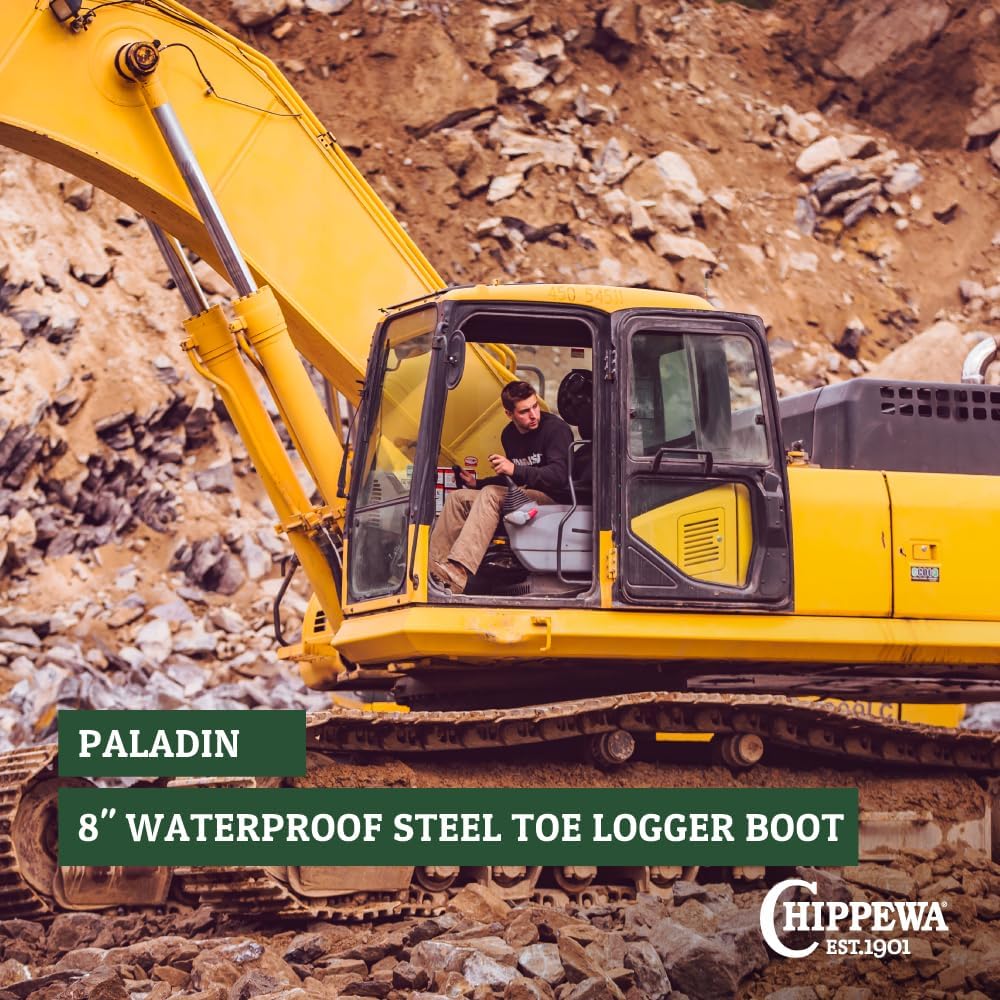
You just dropped $200–$350 on a pair of logger boots, and somewhere around month eighteen you notice a crack opening up in the leather right above the steel toe. The sole looks fine. The welt — the strip of material stitched between the upper and the outsole — looks fine. But the leather itself is giving out. That specific failure pattern shows up across multiple brands and multiple owners, and it’s the central piece of intelligence this article is built around.
A quick definition for anyone new to the category: logger boots are lace-up work boots with a raised heel (typically 1¾ to 2 inches), a pronounced lug sole, and a shank — a rigid insert in the midsole — that resists flexing on uneven terrain. They’re the boot of choice for timber crews, linemen, heavy equipment operators, and anyone spending full days on rough ground. The question this article answers isn’t which logger boot looks best on a spec sheet — it’s which ones hold up when you’re running a chainsaw in mud six days a week, and what actually gives out first when they don’t.
| EDITOR'S PICKThorogood Logger Series 9” Wate… | Mid-tierGeorgia Boot Steel Toe GORE-TEX… | Budget pickGeorgia Boot Men's AMP LT Logge… | |
|---|---|---|---|
| Toe protection | Steel toe | Steel toe | Composite toe |
| Waterproofing | Waterproof | GORE-TEX | Waterproof |
| Insulation | 400g Thinsulate | 400g | — |
| Upper material | Leather | — | — |
| Outsole | Vibram | — | — |
| Shaft height | 9 in | — | — |
| Price | $319.95 | $212.96 | $205.00 |
| See on Amazon → | See on Amazon → | See on Amazon → |
The Core Failure Pattern Nobody Talks About Enough
Most logger boot marketing leads with outsole durability — rubber compound, lug depth, slip resistance. That focus is understandable, because the sole is visible and easy to photograph. But across aggregated long-run owner reviews, the consistent failure point isn’t the sole or the welt. It’s the leather upper, specifically in the flex zone directly above the steel or composite toe.
Here’s why: a steel toe creates a hard boundary. Every time you take a step, your foot bends forward at the ball, but the steel cap doesn’t. That crease point — the line where flexible leather meets rigid cap — experiences thousands of micro-flexes per day. In dry conditions, well-conditioned leather handles this for years. Add oil exposure, fuel contact, or repeated wet-dry cycling (common in forestry and utility work), and that crease point dries out faster than you can condition it back.
Long-run owner accounts aggregated by Working Person’s Store document this failure at approximately the two-year mark across multiple brands: the sole and welt remain structurally sound while a crack or hole develops at the leather crease above the toe box. The boot hasn’t failed from the outside in — it failed from a mechanical stress point that conditioning and waterproofing treatments can slow but not eliminate indefinitely.
What this means for your buying decision: If you’re in a petroleum-heavy environment — fueling equipment, working around diesel spills, chainsaw bar oil — leather conditioning isn’t optional maintenance. It’s structural. Popular Mechanics, in their Best Work Boots construction and trade roundup, consistently flags petroleum exposure as the primary accelerant for this failure mode across steel and composite toe designs alike.
Brand-by-Brand Longevity Breakdown
Chippewa Super DNA Logger
Georgia
$212.96
In stock on Amazon
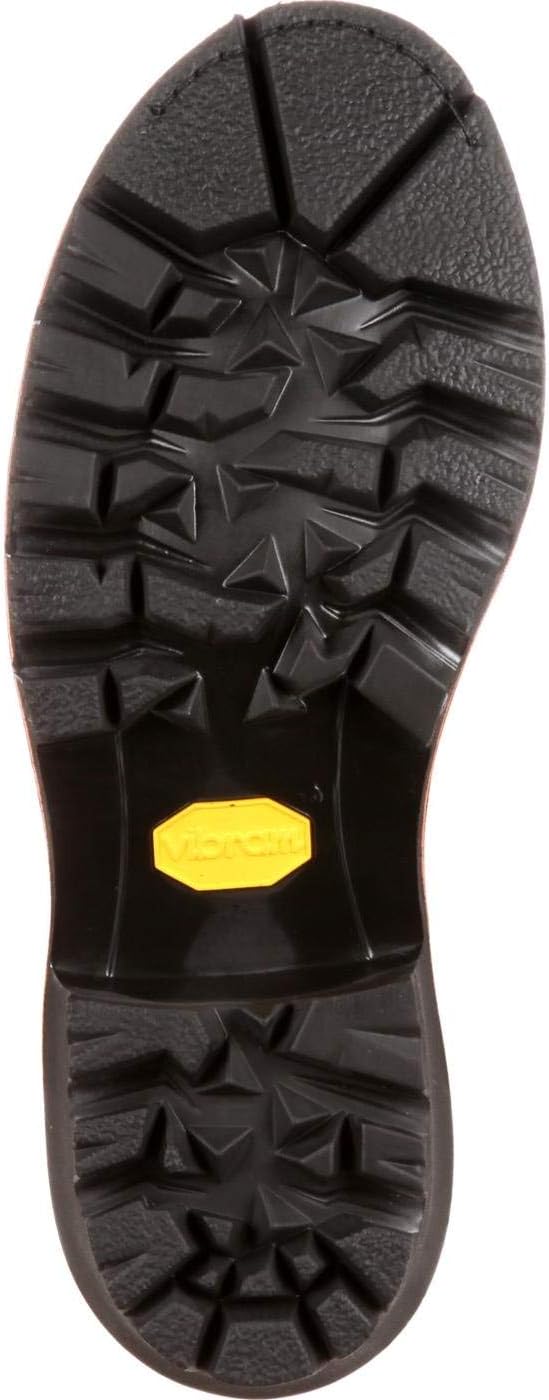
Check price on AmazonChippewa’s Super DNA line uses Goodyear welt construction — the upper, insole, and outsole are stitched together through a welt strip, which allows resoling when the outsole wears down. That’s the right construction for a long-horizon boot. Heddels, in their logger boot construction overview, notes that Goodyear welt construction adds upfront cost but pays back through resoleability: a Chippewa with worn outsoles can be rebuilt at a competent cobbler for $80–$120, which materially changes the cost-per-year math.
The documented failure mode — leather cracking behind the steel toe after sustained oil exposure — is real, but context matters. Working Person’s Store long-run buyer accounts note that the welt and sole remained intact even as the leather gave out, and the boot gave clear visible warning rather than failing invisibly. Owners who maintain a conditioning regimen and manage petroleum exposure report significantly longer service life than the two-year baseline.
The tradeoff: Chippewa’s quality control has drawn mixed reviews in the 2023–2026 period following changes in their parent supply chain. Some owners report first-rate builds; others flag inconsistency in leather grade. Examine current production runs carefully before committing.
Best for: Workers in forestry or heavy equipment operation who prioritize resoleability and are willing to maintain a conditioning schedule.
Georgia
$212.96
In stock on Amazon
Check price on AmazonCarhartt Composite Toe Logger
Georgia
$205.00
In stock on Amazon
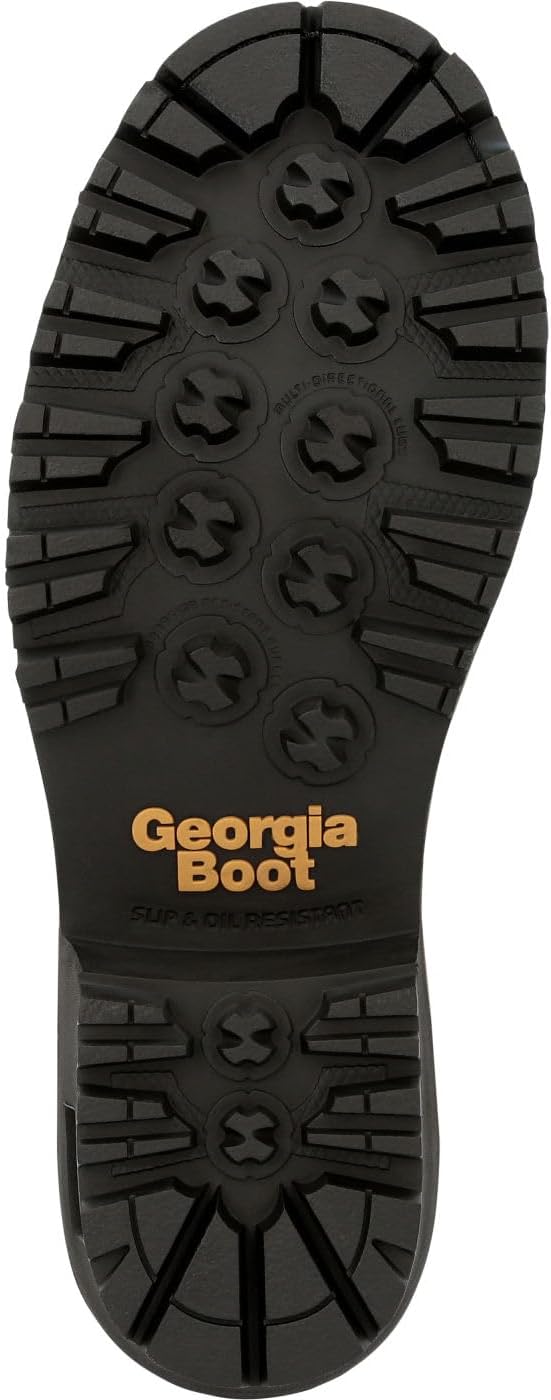
Check price on AmazonThe Carhartt logger attracts a different buyer profile: workers who need an electrical hazard (EH) rating alongside toe protection, and those buying for a crew or on a company account where price point matters. The composite toe version carries an EH rating, which is a genuine safety distinction for utility linework and any environment where contact with live electrical circuits is a hazard. Steel toe boots are not EH rated — the metal creates a conduction path. Popular Mechanics’ work boot roundup treats this as a binary safety criterion, not a preference call.
The failure mode reported by long-run owners mirrors Chippewa’s: the leather above the composite toe develops stress cracking around the two-year mark under daily hard use. The sole and welt construction held up in documented owner accounts from Working Person’s Store; the leather upper was the weak link.
The tradeoff: At its price point, the Carhartt logger is a strong value proposition for crew outfitting — but owners should enter with clear expectations. Two years of daily hard use is a realistic service horizon before a rebuild-or-replace decision.
Best for: Linemen and utility workers who require EH rating, and crew buyers where per-unit price is a material constraint.
Georgia
$205.00
In stock on Amazon
Check price on AmazonGeorgia Boot GORE-TEX Logger
Georgia
$212.96
In stock on Amazon
Check price on AmazonGeorgia Boot occupies an interesting position in this comparison. The brand doesn’t carry the same heritage cachet as Chippewa or the workwear-brand recognition of Carhartt, but loyalty data from long-run buyers documented at Working Person’s Store is notable: individual accounts of repeated multi-year repurchases speak to consistent fit and performance within a specific use case. That’s not a population study, but it is a legitimate signal.
The GORE-TEX membrane in the Georgia Boot logger addresses wet-terrain waterproofing differently than wax or oil treatments on the leather surface. GORE-TEX is a laminated membrane bonded to the interior of the boot — it blocks water ingress even when the leather surface is compromised. For wet-terrain forestry work involving stream crossings or persistent rain, this is a meaningful functional distinction.
Gear Junkie, in their work boot longevity field notes, observes that GORE-TEX-lined boots are harder to fully dry from the inside out once moisture infiltrates through a cut or crack in the upper, compared to unlined leather boots that can be opened and dried more aggressively. The membrane is an advantage in waterproofing but changes the maintenance and drying dynamic in ways buyers should understand before purchase.
The tradeoff: GORE-TEX adds a price premium, and the membrane can eventually delaminate after sustained hard use. Reduced breathability relative to unlined leather is a consistent tradeoff noted by field reviewers.
Best for: Wet-terrain forestry workers whose primary failure mode is wet feet rather than petroleum exposure.
Georgia
$212.96
In stock on Amazon
Check price on AmazonBRUNT DiStasio Logger
Georgia
$212.96
In stock on Amazon
Check price on AmazonBRUNT is a newer entrant in the work boot market — direct-to-consumer model, aggressive pricing, and a growing owner community. The DiStasio is their logger offering, and it generates one of the most useful comparative data points in this entire review set.
Long-run owner accounts document a critical fit warning for existing BRUNT customers: the DiStasio fit is substantially different from the BRUNT Marin, BRUNT’s non-logger work boot. The two boots use different lasts — the mold around which the boot is shaped — and the logger’s raised heel geometry changes how volume distributes across the foot. A buyer who has found their Marin size cannot assume the DiStasio will replicate that fit.
The DiStasio carries an EH rating with its composite toe, placing it alongside the Carhartt logger for buyers in electrical hazard environments. Gear Junkie’s work boot coverage notes that direct-to-consumer brands like BRUNT compete effectively on initial price but require buyers to do more fit-verification legwork without a physical retail presence to try product.
The tradeoff: BRUNT’s return and exchange policies are the relevant backstop here. If you’re an existing Marin owner, treat the DiStasio as an entirely new fit evaluation — try a half size in each direction and order from a retailer with a workable return window.
Best for: EH-rated logger buyers open to a newer brand, and buyers who can verify fit before committing.
Georgia
$212.96
In stock on Amazon
Check price on AmazonThorogood Logger (American Heritage Line)
Thorogood
$319.95
In stock on Amazon
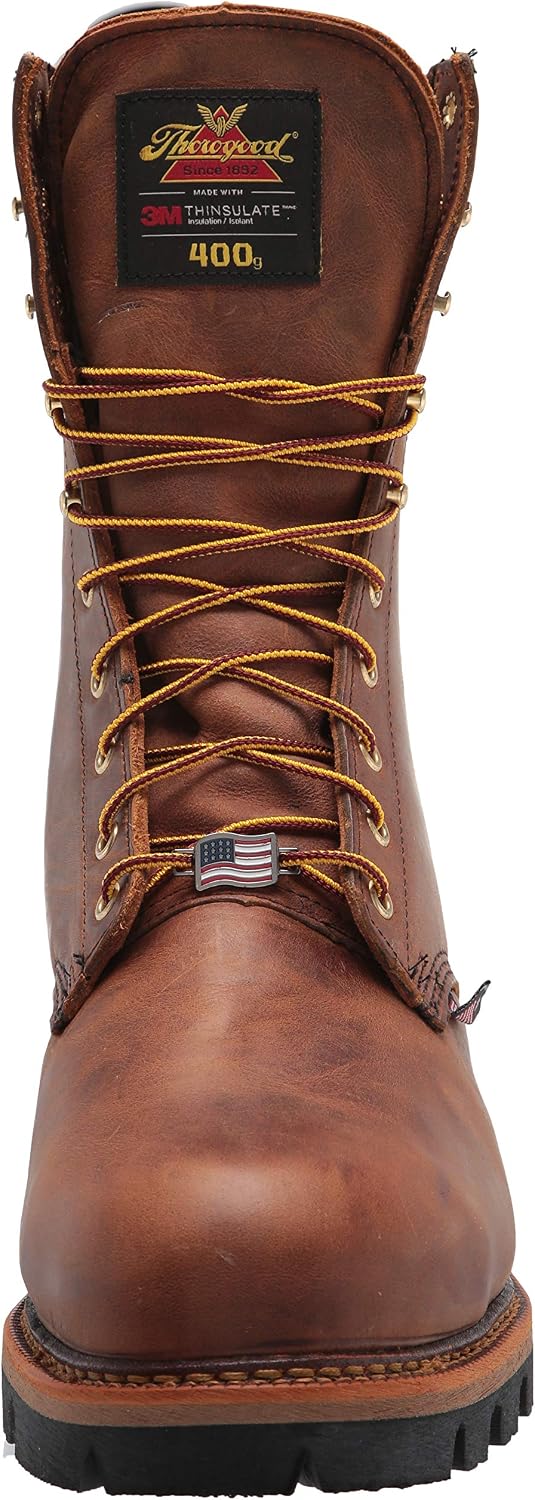
Check price on AmazonThe Thorogood American Heritage logger stands apart in this comparison on two counts: domestic manufacturing and the nature of its owner advocacy. The most informative Thorogood reviews in aggregated long-run accounts come not from first-look buyers but from reluctant switchers — specifically, longtime Chippewa loyalists who moved to Thorogood following quality concerns and found comparable or superior performance. A buyer with deep brand loyalty switching under duress and then reporting satisfaction is more informative than a brand-agnostic reviewer starting fresh.
Thorogood’s American Heritage lines are manufactured in the United States. Popular Mechanics’ Best Work Boots roundup notes that Thorogood’s domestic production runs have drawn consistent marks for leather quality and welt integrity over multiple review cycles. For buyers who weight country of origin as a quality-control proxy — not just a political preference — domestic manufacturing in this category correlates with tighter specification control and more consistent leather grading.
Goodyear welt construction throughout the American Heritage line means the resoleability argument applies here as strongly as it does to Chippewa. Heddels’ logger boot construction overview identifies Thorogood’s welt work as among the more consistent in the domestic work boot segment.
The tradeoff: Thorogood American Heritage boots carry a price premium over Carhartt and BRUNT. For buyers who will maintain the boot properly and expect to resole rather than replace, that premium tends to recover over a longer service horizon.
Best for: Buyers for whom domestic manufacturing and long-horizon resoleability are primary criteria, and Chippewa owners evaluating a supply-chain-driven switch.
Thorogood
$319.95
In stock on Amazon
Check price on AmazonComparison at a Glance
| Boot | Toe Type | EH Rated | Welt Construction | Documented Failure Point | Tier |
|---|---|---|---|---|---|
| Chippewa Super DNA | Steel | No | Goodyear welt | Leather crease above toe, ~2 yrs | Georgia — $212.96 |
| Carhartt Logger | Composite | Yes | Goodyear welt | Leather crease above toe, ~2 yrs | Georgia — $205.00 |
| Georgia Boot GORE-TEX | Steel | Varies by model | Cement/stitch | Membrane longevity (multi-year) | Georgia — $212.96 |
| BRUNT DiStasio | Composite | Yes | Goodyear welt | Fit mismatch from Marin (sizing) | Georgia — $212.96 |
| Thorogood American Heritage | Steel | No | Goodyear welt | Comparable to Chippewa, per switcher accounts | Thorogood — $319.95 |
The Decision Framework
If you’re in petroleum-heavy work (fueling, chainsaw ops, diesel exposure): Every boot in this comparison is vulnerable to accelerated leather degradation at the toe crease. Prioritize conditioning regimen alongside brand selection. The Chippewa and Thorogood Goodyear welt construction gives resoleability when the outsole wears — but if the leather fails first, you’re replacing, not resoling. Plan for a two-year service horizon and budget accordingly.
If you need EH rating for linework or electrical environments: The Carhartt composite toe logger and the BRUNT DiStasio are the relevant options. Steel toe boots are not EH rated. This is a safety distinction, not a preference.
If wet-terrain forestry waterproofing is the primary concern: The Georgia Boot GORE-TEX logger is the defensible choice. Understand that the membrane changes the drying and maintenance dynamic compared to unlined leather.
If you already own the BRUNT Marin: Do not order the DiStasio in your Marin size. Treat it as a new fit evaluation entirely.
If domestic manufacturing and long-horizon resoleability are your primary framework: Thorogood’s American Heritage line is the clear answer.
Frequently Asked Questions
How long should a quality logger boot last under daily hard-use conditions? Based on aggregated owner documentation across Chippewa, Carhartt, and comparable brands — including accounts collected by Working Person’s Store — two years of genuine daily hard use is a realistic service horizon for the leather upper in high-stress environments. Welt and sole construction typically outlasts the leather in Goodyear welt boots, which is why resoling is a meaningful value extension, but only if the upper holds long enough to justify the rebuild.
What part of a logger boot typically fails first? In the documented failure cases reviewed here, the leather upper failed first in every case — specifically at the crease above the toe cap. Goodyear welt construction held up across Chippewa and Carhartt examples; the sole showed wear but not structural failure. The leather at the mechanical stress point above the steel or composite toe was the consistent weak link.
Is the Carhartt composite toe logger EH rated, and does that matter for linework? Yes. The Carhartt composite toe logger carries an electrical hazard rating. For utility linework or environments with live electrical hazard exposure, this is a binary safety criterion — steel toe boots are not EH rated because metal can conduct electricity. For pure forestry work without electrical hazard, EH rating is less relevant to the buying decision.
If I own the BRUNT Marin, will the BRUNT DiStasio logger fit the same way? Not reliably. Long-run owner accounts flag the fit as substantially different. The boots use different lasts and the logger geometry changes foot volume distribution. Treat the DiStasio as a new fit evaluation regardless of your Marin size.
Is the Georgia Boot GORE-TEX logger worth the price premium for wet-terrain forestry work? For consistently wet conditions — stream crossings, sustained rain, boggy terrain — the GORE-TEX membrane provides waterproofing that doesn’t depend on the condition of the leather surface. That’s a genuine functional advantage over treated leather alone. The tradeoff is membrane longevity and reduced breathability relative to unlined leather. Gear Junkie’s work boot field notes identify this drying dynamic as the primary maintenance difference buyers should understand before purchasing a membrane-lined boot.